

‘Sindh May Return to India’ Remark by Rajnath Singh Sparks Diplomatic Firestorm, Pakistan Calls It ‘Expansionist
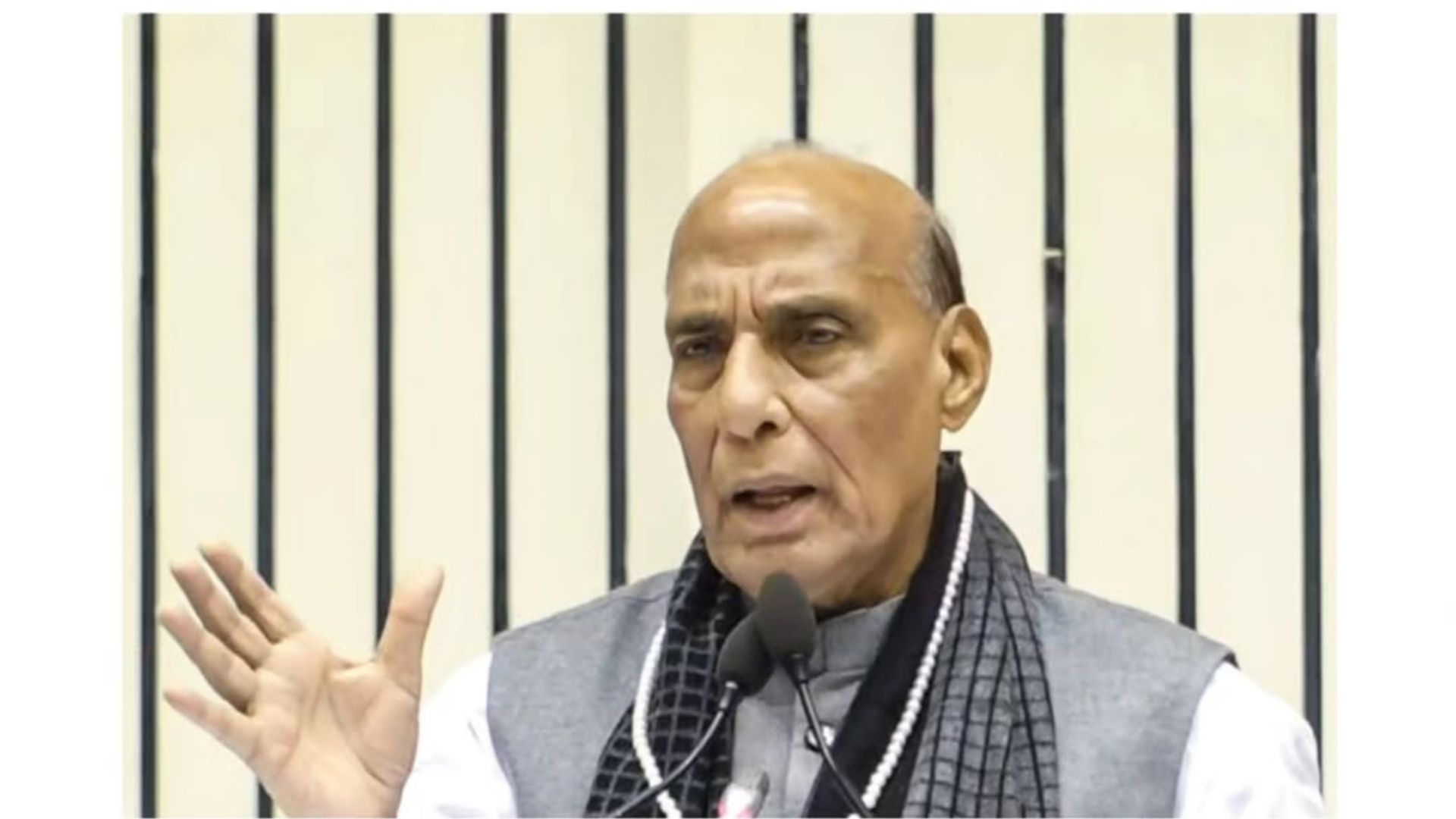
New Delhi / Islamabad – The diplomatic temperature between India and Pakistan escalated Monday with words spoken by India’s Defence Minister, Rajnath Singh, who indirectly suggested that the Pakistani province of Sindh “may return to India again” and that frontiers are not permanent. His comments caused a vehement rejection by Pakistan, which termed them as “delusional, revisionist and expansionist in nature”.
Addressing a Sindhi-diaspora meeting, Singh said:
“Today, the land of Sindh may not be a part of India, but civilisationally, Sindh will always be a part of India. And as far as land is concerned, borders can change. Who knows, tomorrow Sindh may return to India again.”
The Ministry of Foreign Affairs of Pakistan reacted quickly. A public statement by the ministry was that:
“Such statements reveal an expansionist Hindutva mindset that seeks to challenge established realities and stands in clear violation of international law, the inviolability of recognised borders, and the sovereignty of states.”
It urged Indian leaders to “refrain from provocative rhetoric that threatens regional peace and stability.”
Analysts say the incident comes at a sensitive time. The India-Pakistan dynamic has been a very strained one, and any comments regarding the territorial claims, although it is made in a domestic setting, will have a very sharp diplomatic repercussion. According to one foreign-policy researcher,
“Words about territory—even when framed symbolically—must be treated as signals. Pakistan will not treat them lightly.”
In New Delhi, the authorities appear to be going on a tightrope. Some in India’s political opposition warned that such language carries a high risk.
“India must maintain a responsible diplomatic posture. Regardless of our historic and cultural ties, we cannot treat neighbouring countries’ internal regions as part of our public messaging,”
said a senior parliamentarian.
The context of the diaspora is significant. Singh appealed to Sindhi people and cited a Sindhi-Hindu leader, L. K. Advani, telling how Sindhi Hindus themselves, particularly his own generation, never really recognised the division of the province at the 1947 Partition. In the meantime, a Sindhi group in Pakistan has come out in support of the statements by Singh and put them in the context of cultural affiliations.
From the perspective of Islamabad, these comments go beyond the cultural rhetoric. Even the rhetoric about the repeated changes in borders can lead to misunderstandings in the policy; they were characterised by the foreign office of Pakistan as being dangerously revisionist.
Despite the heat, neither side has formally escalated to diplomatic expulsions or military signalling as of yet. But several factors to watch:
- Whether India clarifies the remarks and distances them from official policy
- How Pakistan chooses to respond beyond the public statement.
- The reaction within Sindh itself and among the broader South Asian diplomacy community.
At least at this point, the message is evident, and what can seem like a domestic cultural rhetoric can provoke broader diplomatic effects. One security expert has remarked,
“In this bilateral relationship, rhetoric is part of the landscape—but when it touches sovereignty or territory, it can become a flash-point.”

