

President Murmu Gives Assent to VB-G RAM G Bill; MGNREGA Formally Replaced by New Rural Job Law
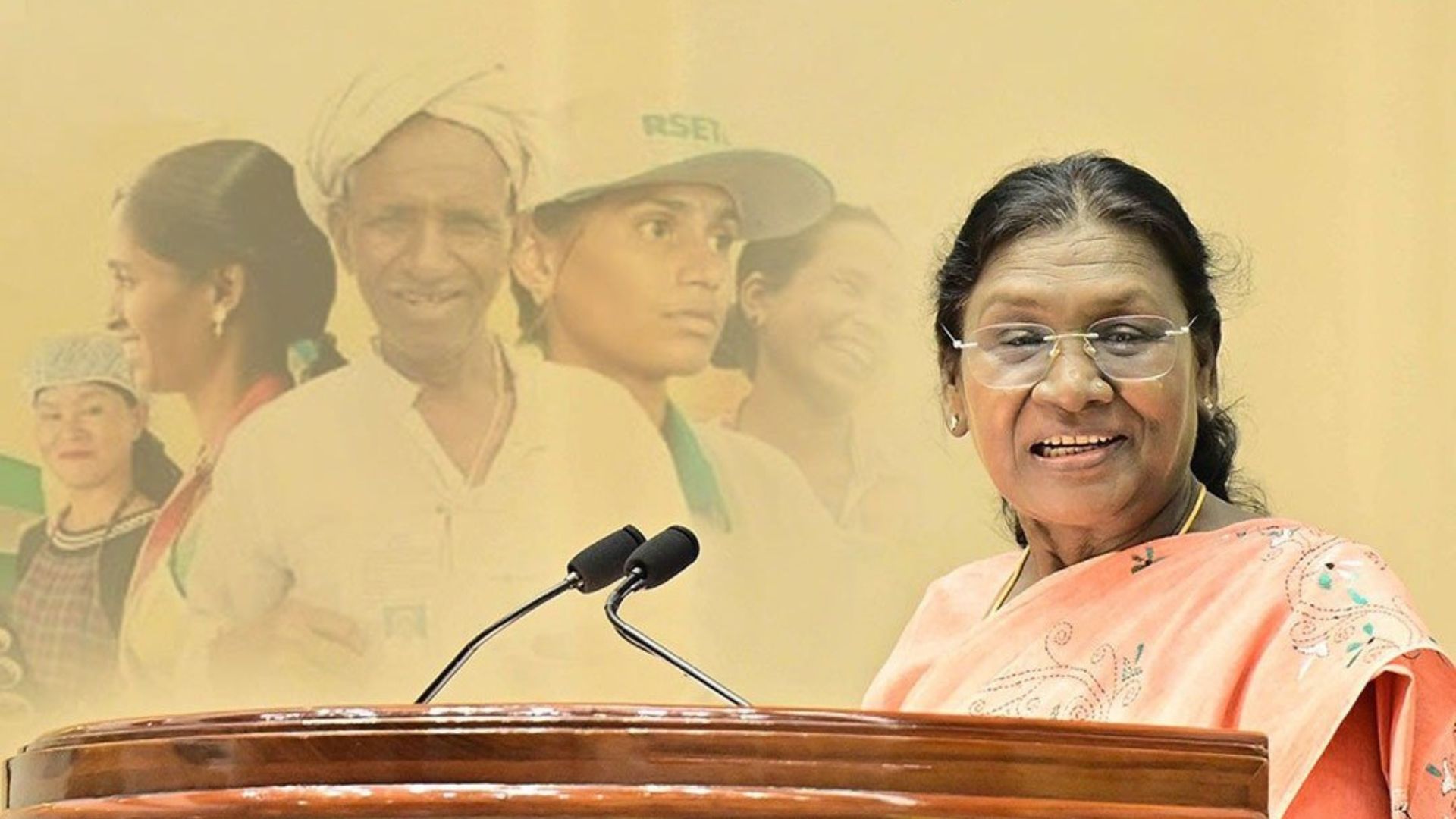
The rural employment situation in India changed in history on Sunday when President Droupadi Murmu accorded her official approval to Viksit Bharat Guarantee on Rozgar and Ajeevika Mission (Gramin) Bill 2025. The new law was dubbed the VB-G RAM G Act, which officially repeals and substitutes the 20-year-old Mahatma Gandhi National Rural Employment Guarantee Act (MGNREGA).
Enacted in the stormy Winter Session of Parliament, the legislation will see rural welfare being aligned with the government’s vision of “Viksit Bharat @2047.” Nevertheless, it has been severely criticized by the Opposition, who term the move as an assault on rural pauper rights.
The 125-Day Guarantee
The biggest reform through the new Act is the increase in the employment guarantee. The maximum number of days of unskilled manual labor MGNREGA assured per year was 100, but the VB-G RAM G Act raises it to 125.
According to the Union officials, this increment of 25% is aimed at giving increased income stability. “This is not just a name change; it is a fundamental upgrade to ensure our rural workforce contributes to high-quality, durable national assets,” a Ministry of Rural Development spokesperson said.
New Funding and Seasonal “Pauses”
The Act has a new fiscal and operating structure, which is the exact opposite of the former:
- 60:40 Funding Split: Moving away from the previous model, the Centre and States will now share the cost of unskilled wages in a 60:40 ratio (90:10 for North-Eastern/Himalayan states).
- Agricultural Alignment: Section 6 of the Act allows State governments to “pause” work for up to 60 days during peak harvest and sowing seasons to prevent labor shortages for farmers.
- Thematic Focus: Projects will now be restricted to four domains: water security, rural infrastructure, livelihood assets, and climate resilience.
Opposition Labels it a “Black Law”
Other members of the INDIA bloc, including the Congress party, have made demonstrations throughout the country, calling the legislation a “black law.” Their major complaints are the removal of Mahatma Gandhi’s name from the scheme and the change in funding, which according to them, will bankrupt the poorer states and eventually shut down the scheme.
“By imposing a 40% cost on states, the Centre is effectively washing its hands of the rural poor,” remarked one of the senior leaders of the opposition in a press conference late on Sunday.
What Happens Next?
Since the President has signed it, the Act has been published in the Gazette of India. States can now take 6 months to package their respective regulations and convert their current MGNREGA databases into the new VB-G RAM G digital infrastructure.
Disclaimer: This report is based on the Gazette notification issued on December 21, 2025.
