

Sri Lanka Cricket Board Confirms Visit to Pakistan Continues After Islamabad Blast
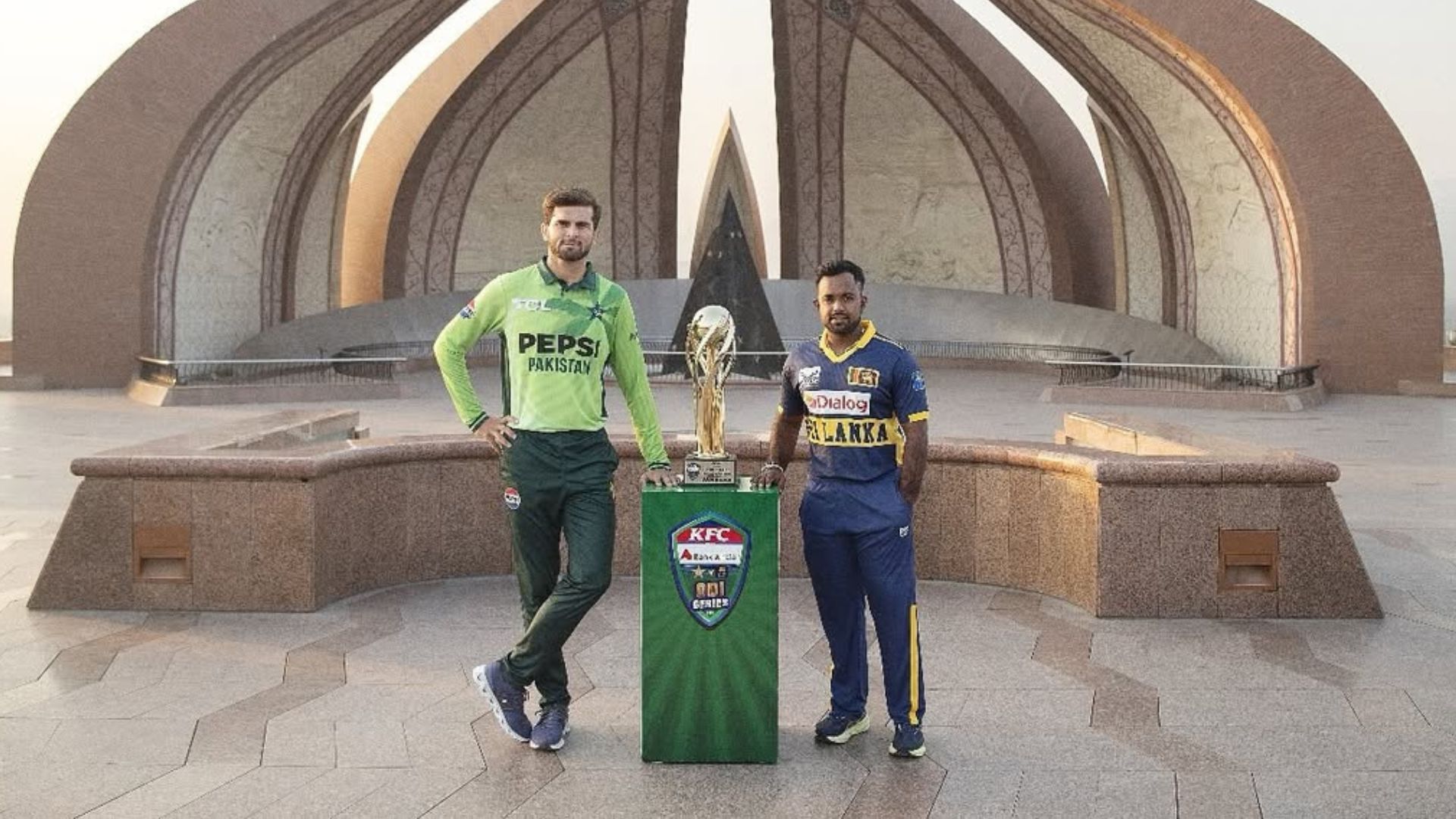
The Sri Lanka Cricket (SLC) officially reported that the continuing tour of Pakistan by the national team will be undertaken as scheduled despite the security fears heightened after a recent bomb blast in Islamabad. This announcement comes as there is a rising speculation on whether the tour would be shortened following the fatal blast that shook the Pakistani capital earlier this week. The resolution passed by the SLC shows the trust that it has in the security arrangements of Pakistan and its desire to respect the schedules of international cricket even in strenuous conditions.
The horrific incident in Islamabad that claimed the lives of several people and injured many others immediately led to debates in the Sri Lankan camp about the security of players and staff. Certain members of the team are quoted as saying that they wanted to go back home due to the severity of the situation and the anxieties caused by the families and fans. Nevertheless, the Sri Lanka Cricket Board, after some internal deliberations and consultations with the Pakistani authorities, gave directives that the tour would proceed without any delay.
The Pakistan Cricket Board (PCB) had assured SLC according to people in the know that they were putting in place detailed and foolproof security arrangements to guard the visiting team. Such guarantees come in the form of increased security on the grounds within match grounds, hotel accommodation arrangements, and transportation paths between cities. Security agencies in Pakistan and the cricketing body have been in close liaison to offer security layers, particularly following the imminent fixtures to be organized in Rawalpindi city, which is geographically close to the city of Islamabad.
The choice by SLC also highlights a wider agenda of ensuring that there are healthy cricketing relations between Sri Lanka and Pakistan. Sri Lanka has in the past supported Pakistan in times of cricketing isolation, such as during the previous tour when other cricket boards were reluctant to tour the country because of security reasons. This unity has enhanced relations between the two cricketing countries, and the continuity of the existing tour is particularly significant.
The SLC has not however overlooked player concerns. The board insisted that the safety issues are being taken seriously and the well-being of the players is a priority. Nevertheless, it has given a strict order: the team should finish the tour as scheduled. Those who opt out without a proper reason might be reviewed or substituted so that the tour schedule does not get disturbed. Although this strictness may be controversial to some of the players, it goes to show the magnitude of emphasis given to international cricket engagements.
The current tour is a series of three One Day International matches, followed by a tri-nation T20 of Pakistan, Sri Lanka, and Zimbabwe. The rest of the ODIs will be proceeded in Rawalpindi, where the government has already tightened security considerations following the occurrence in Islamabad. Although it had been discussed at first that it was possible to change venues or even postpone matches, both SLC and PCB have settled on the same plan with more precautions.
This has inevitably been compared to the notorious Lahore attack on the Sri Lankan cricket team in 2009, and this incident has radically transformed the international cricket scene in Pakistan. The dreadful experience still lingers among the fans of cricket and the past cricketing players. However, when Sri Lanka has been willing to visit Pakistan on other occasions in recent years, they have played a very crucial role in restoring the image of Pakistan as a viable host country. This recent ruling once again confirms this path and gives the international cricket fraternity reason to believe that Pakistan is determined to produce safe and successful international events.
In the case of Pakistan, there is a lot at stake. International teams provide an essential tool in the growth of the sport of cricket in the country, as well as the enhancement of the national morale and demonstration of the achievements in the security situation on the domestic level. To have international cricket back on domestic soil has been a long struggle by the PCB, but the fact that Sri Lanka still acts despite the national security scare sends a strong message of trust and cooperation.
Sportsking, the tour is of great importance to the two teams since they are training to take part in other major tournaments. The T20 and the ODIs provide valuable competitive exposure to the players and the coaching staff. However, it is evident that non-cricketing news has dominated cricketing discourses of late. Both national fans have been optimistic that the remaining series will run without any hiccups to enable the sport to get back to the center stage.
Although the relocation of the SLC has been hailed by some as a show of fighting spirit and diplomatic prowess, the claim is that player safety should be the first consideration in all situations, as opposed to schedules or international alliances. However, the board insists that all decisions are well considered and that constant upkeep of the situation will be in order even during the tour.
The security teams, the officials of the cricket boards, and the government agencies will be in close coordination to provide safety and sanity as the next matches are close at hand. To the players, they can now go back to the field, where they will be required to deliver regardless of the heavy atmosphere that envelops the tour. The fans of the game all over the world will not only be observing the playing field, but also the symbolic significance of the successful course of the tour.
The focus could not be taken off Rawalpindi in the coming days, as the rest of the ODIs will be played, followed by the tri-nation T20 series. In the event that everything goes smoothly, the tour may serve as a record in the history of both Sri Lankan and Pakistani cricket – a manifestation of mutual trust, sports diplomacy, and the game as a bond despite the challenges.

