

Indian Railways to Hike Passenger Fares from Dec 26; Long-Distance and AC Travel to Cost More
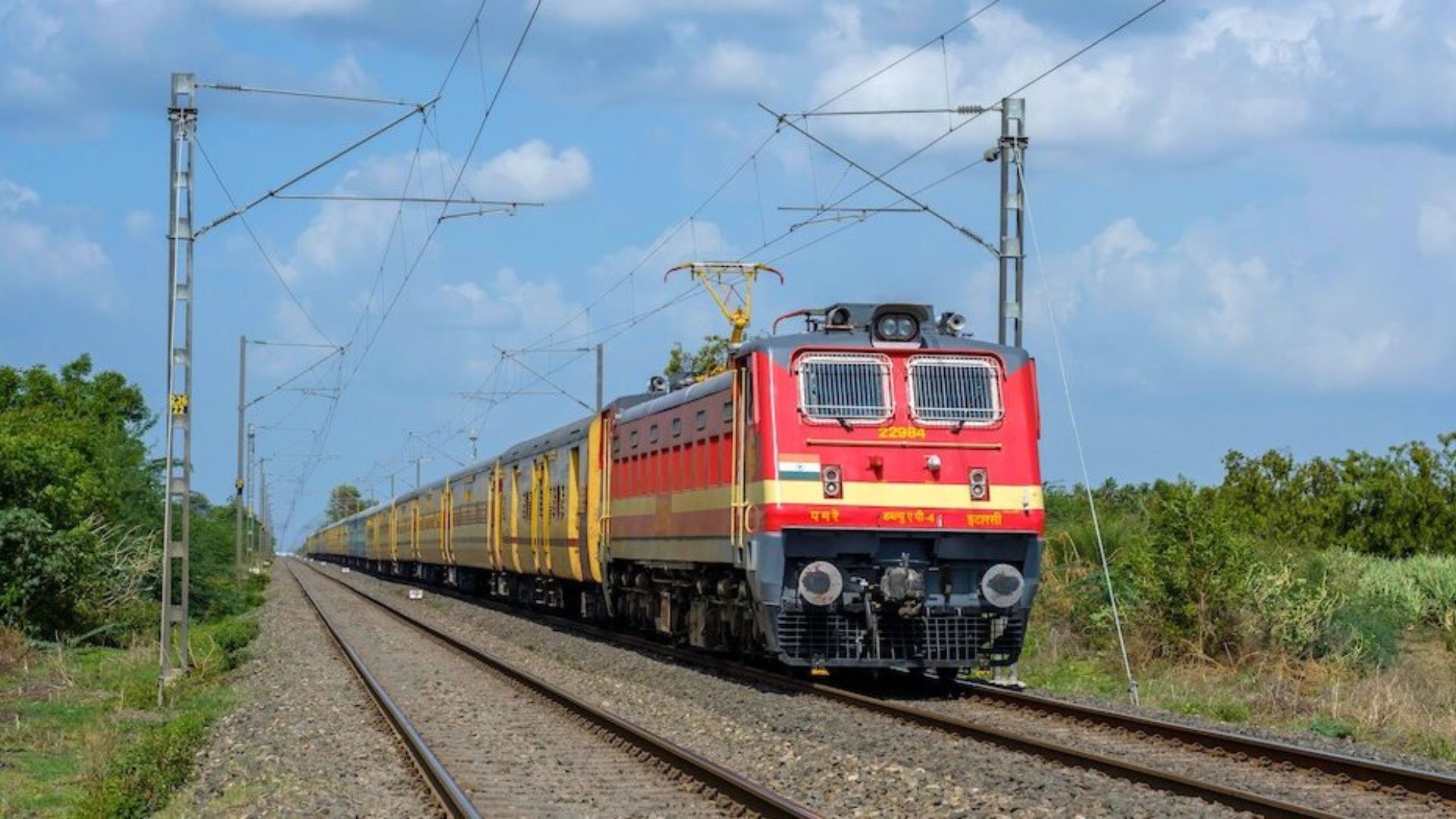
NEW DELHI -The Ministry of Railways has made a major step in a bid to deal with swelling operational expenditure by declaring a “nominal rationalization” of passenger fares on Sunday, December 21, 2025. The new fare, which comes into effect on December 26, 2025, will mainly affect the long-distance passengers and those who choose air-conditioned (AC) services.
This is the second fare increase in the 2025-26 financial year, following a similar hike implemented in July. Railway officials estimate that the revision will generate approximately ₹600 crore in additional revenue for the remainder of the fiscal year.
Breakdown of the New Fare Structure
The hike is structured as a per-kilometer increase, so that the financial cost will not be too high for mid-distance travelers, as the increment will increase with the distance of travel.
- AC Classes (All Trains): Fares will increase by 2 paise per km. This applies to all premium services, including Rajdhani, Shatabdi, Duronto, and Vande Bharat.
- Mail/Express Non-AC (Sleeper and Second Class): Fares will increase by 2 paise per km.
- Ordinary Class (General): A marginal increase of 1 paisa per km will be applied, but only for journeys exceeding 215 km.
Exemptions for Daily Commuters
The Ministry has totally exempted some categories of travelers from the hike as they understand that short-distance travel is an economically sensitive aspect. There will be no increase in:
- Suburban (Local) train fares.
- Monthly Season Tickets (MSTs).
- Ordinary Class travel for distances under 215 km.
“The fare rationalisation has been designed to protect the interests of the common man and daily commuters while ensuring the financial sustainability of the national transporter,”
a senior Railway Ministry official stated.
The Financial Rationale: Rising Manpower and Pension Costs
The decision comes at a time when Indian Railways is struggling with record-high expenditure. The Ministry reported that the overall operational expenditure during the year 2024-25 had shot almost to ₹2.63 lakh crore.
This is being spurred by two key reasons:
- Manpower Costs: To support massive network expansion and enhance safety protocols, the Railways has significantly increased its staff strength. Manpower-related expenses have now hit ₹1.15 lakh crore.
- Pension Liabilities: The annual pension bill has reached approximately ₹60,000 crore.
As the Railways await the introduction of the Eighth Pay Commission, which will take effect in January 2026, the Railways will be under strain to improve the Operating Ratio (OR). In the case of FY26, the transporter will focus on an OR of 98.43, which is a slight improvement compared to 98.9 of the last year, meaning that each ₹100 earned by the transporter is spent on operations of almost ₹98.43.
What This Means for Your Pocket
Although any increase in price is a cause of concern, the effect on a single ticket is slightly small. For instance, a passenger traveling from New Delhi to Prayagraj (~650 km) will see a fare increase of roughly ₹13 for an AC or Sleeper class ticket. Similarly, a 500 km journey in a non-AC Mail/Express coach will cost just ₹10 more.
Industry experts suggest that while the hike is small, it is an indicator of a transition to the “user-pays” models to finance the modernization of tracks and the acquisition of high-speed rolling stock, such as the Vande Bharat sleepers.
With the new rates coming into effect on December 26, passengers are advised to check updated fares on the IRCTC portal or at station counters before booking their post-Christmas and New Year travel.
