

Lok Sabha Passes VB-G RAM G Bill Replacing MGNREGA Amid Opposition’s Overnight 12-Hour Protest
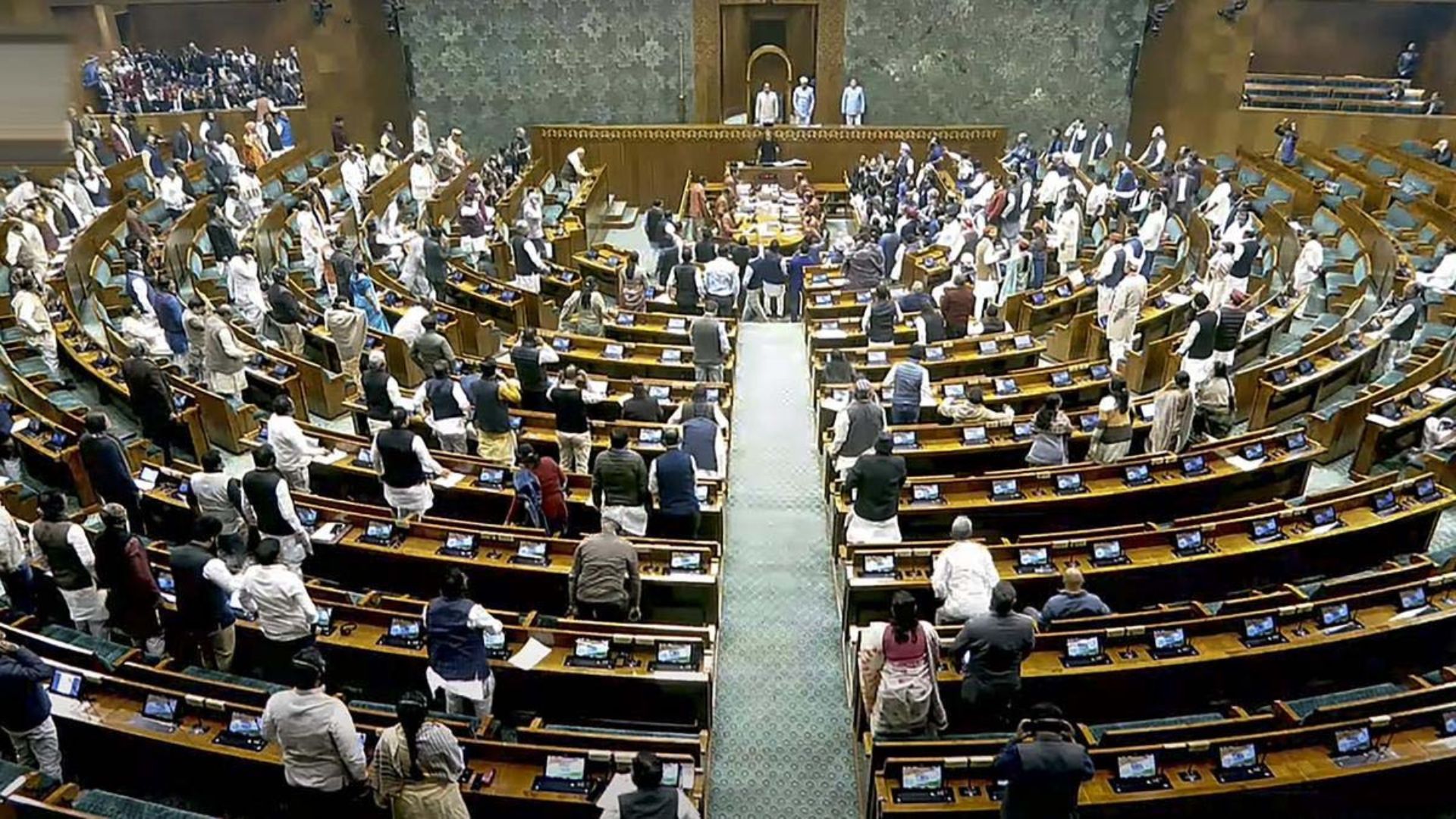
New Delhi: The Lok Sabha on Thursday voted in favour of the VB-G RAM G Bill, which is a historic piece of legislative work that aims at replacing the Mahatma Gandhi National Rural Employment Guarantee Act (MGNREGA), leading to more than 12 hours of an overnight sit-in by the Opposition parties in the Parliament complex.
Officially known as Viksit Bharat Guarantee in Rozgar and Ajeevika Mission (Gramin) Bill, the Bill was passed in the Lower House following a heated debate that took place in the House. Although the government said the legislation was a progressive act meant to modernize employment in rural areas, the opposition parties implied that the act was undermining a rights-based welfare act that has worked as a security net to millions of rural families over the last 20 years.
Instead, MGNREGA, which was enacted in 2005, ensures that rural households get 100 days of wage employment per year and is broadly considered one of the most important social welfare programmes in India. The new Bill suggests a reformed rural job system, and the government believes that it will result in widening the livelihood job opportunities, enhancing productivity and linking rural jobs to the long-term development objectives in the vision of “Viksit Bharat @2047.”
The VB-G RAM G programme, according to the government, raises the number of guaranteed workdays, emphasizes the creation of assets and employment based on skills, as well as the introduction of technology-based monitoring mechanisms to facilitate transparency and prompt payment of wages. The defenders of the Bill by ministers said that, despite being effective, MGNREGA had become obsolete and needed structural adjustments in order to address current economic and administrative needs.
Nevertheless, the Opposition vigorously resisted the initiative because they believed that the new law subverts the statutory right to employment and turns the programme into an administrative discretion scheme. A number of members of the Opposition took part in walkouts throughout the debate, claiming that the government was trying to rush the Bill through Parliament without further consultation or examination.
In response, parliamentarians in several Opposition parties organized a nocturnal sit-in protest that lasted nearly 12 hours as a protest against what they characterized as the repeal of an embodied piece of welfare legislation. Protesters expressed their interests with regard to the abolition of the MGNREGA system and cautioned that the rural labourers would be left in the dark in case the new system can not fulfil its obligations.
The rate at which the Bill was passed was also opposed by the leaders of the opposition, who claimed that the parliamentary committees should have taken a closer look at such a significant policy change concerning the livelihoods of the rural people. They argued that MGNREGA had been extremely instrumental in helping to sustain rural incomes, especially at the time of economic crises like drought and COVID-19.
Nevertheless, the government went ahead and passed the Bill, referring to its obligation to bring about reforms and enhance better governance outcomes. The members of the Treasury bench denied it and claimed that the new law will not weaken the employment of rural areas but enhance it, and accused the Opposition of politicizing the matter.
Political analysts claim that the alternation of MGNREGA is a big change in the policy of rural welfare in India, and that will continue to be a big political issue in India in the months ahead. A lot will be subjected to the implementation of the VB-G RAM G programme on the ground level and the success of the programme in retaining employment among rural households.
The Lok Sabha approval of the Bill having been obtained, and the Bill then passing through the Rajya Sabha, the question now remains how to roll it out and whether or not rural job guarantees will be a viable initiative in India in the future.
