Hybrid Mode Returns for Delhi Schools as GRAP-3 Air Pollution Rules Kick In
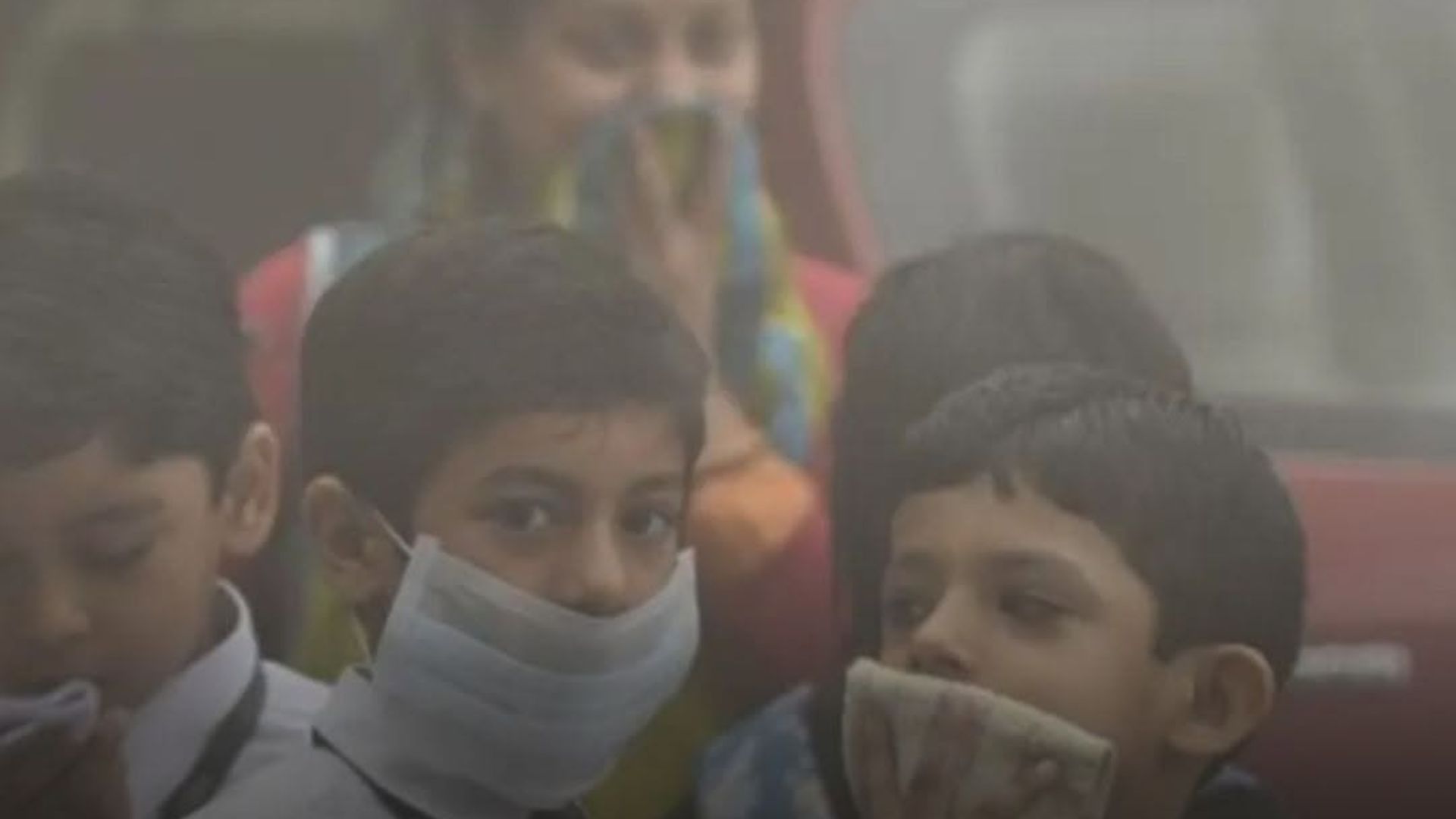
With the air quality in Delhi plunging down to the severe category again, the government of Delhi has made an important announcement to resume the hybrid mode learning in the schools in the national capital. In the recent air pollution regulation efforts by the Graded Response Action Plan (GRAP) Stage 3, all schools up to Class 5 government and private have been instructed to hold classes under a hybrid format until further notice. This is done to protect the health of young students who are the most exposed to the negative impacts of increased air pollution rates, as well as to ensure that learning goes on without full interference.
The move comes after the Commission for Air Quality Management (CAQM) invoked GRAP Stage 3 regulations after a steady surge in the Air Quality Index (AQI), which has hit 400 in various areas of Delhi and the neighboring districts of NCR. The Central Pollution Control Board (CPCB) says that the entire AQI in the national capital has reached 413 earlier this week, which is considered to be severe. The situation became dark in most of the locations, and a heavy smog covered the skyline, causing authorities to take emergency measures. According to GRAP Stage 3, a number of works such as construction, demolition, and operation of some industrial units are limited to manage dust and emissions. The education department of the Delhi government was not left behind since it has given instructions to schools to convert to a hybrid mode of learning immediately.
In young students, particularly those under the age of 10, there can be a spectrum of health issues which may result when they are exposed to polluted air, respiratory infections and eye irritation to long-term lung damage. Upon realizing this, the Directorate of Education (DoE) has requested all schools to give priority to online classes in these grades only to have an option of hybrid classes when the need arises. The school principals have been told to make sure that the students and teachers are aware of the changes, online platforms are enabled, and lesson plans are modified to include remote attendance. Although this action is short-term, it indicates how the government is cautious about how to balance the education requirements against the considerations of the national health in the face of an ongoing environmental crisis.
The hybrid learning model, which became popular during the COVID-19 pandemic, is the mixture of online and offline learning. With this setup, schools will be able to minimize physical attendance but maintain academic progress. This transition is both welcome and troubling to the parents as they are not only happy that their children will not have to go outside in dangerous situations, but they also fear how learning will be sustained and the quality of the online environment. Nonetheless, educators and school officials have been optimistic that the experience they were able to acquire during earlier stages of digital learning will assist in making sure that the transition is easier in the current phase.
The pollution crisis in Delhi that keeps recurring during the winter season is a topic of concern. Poor air quality in the city is caused by a number of factors, some of which include: automobile emissions, industries, and dust in construction sites, as well as the stubble burning on a large scale in the surrounding states including Punjab and Haryana. Weather conditions usually aggravate the situation during the month of November since low wind speed and temperature inversion keep the pollutants near the surface. The government applies a graded response strategy every year to deal with this crisis, and the resemblance of GRAP-3 is one of the most significant indicators of intervention before it goes to the level of emergency restrictions under GRAP-4.
Another issue in the education system of Delhi, re-appearing in the context of the reintroduction of hybrid learning, is the digital divide. Whereas most of the private schools are adequately fitted with online learning tools and platforms, the government and low-income schools have a challenging time with lopses access to devices, bad internet connection, and lack of technical resources. In order to reduce such inequalities, certain schools are embracing the idea of having flexible schedules and making digital resources available to their parents. Those who are unable to participate in live classes are using pre-recorded lessons and WhatsApp-based assignments to reach the students. Even the parent associations and non-profit organizations have intervened to offer digital support to the needy families.
The responsible move by the government has been praised by health experts who have reported that children are especially vulnerable to health-related problems caused by pollution since they are still developing their lungs and have a higher rate of breathing compared to adults. The chronic respiratory issues, loss of lung capacity, and even the long-term cardiovascular outcomes in case of prolonged exposure to high levels of the particulate matter (PM2.5 and PM10) may occur. Doctors have suggested that parents stay inside their homes as much as they can, install air cleaners where possible, and hydrate their children to minimize the level of irritation through pollution. Schools have also been told to go ahead and suspend all the outdoor activities in schools, such as sports and morning assemblies, until the quality of the air becomes better.
Although hybrid mode is a solution in the short run to ensure safety, according to experts, the fact that the education process is constantly interrupted in person has far-reaching consequences. Learners, particularly in the early stages of learning, find class interactions, peer learning, and teacher interaction very useful and most of this cannot be simulated in a virtual classroom. Thus, the government has emphasized the fact that the measure is temporary and will be reconsidered on a regular basis depending on air quality gauges. The government is keeping a close eye on the case, and further improvement of the AQI may lead to the full restoration of schools to offline courses.
The bigger problem of air pollution in Delhi requires sustained and coordinated work of multiple stakeholders beyond the problem of the air crisis. Environmentalists state that smog should be controlled harder, stronger infrastructure has to be provided, and cooperation between states is necessary to combat the factors underlining the formation of smog. The citizens are also being encouraged to play their part by not using their personal vehicles where possible, by carpooling, and by taking the advice of the government on air quality.
The reinstatement of hybrid education, as of today, is but a reminder as to how intimately issues related to the environment have become ingrained in the city and the learning systems. Children, parents, and teachers of Delhi are again having to learn to live in a new time of school life, one that swings on the screens and classes according to the conditions of the air outside. With the capital awaiting the arrival of winds to clear out the smog and the AQI returning to safer levels, it is like hybrid mode is a shield and a compromise; still, a balance must be established between education and health in one of the most polluted cities in the entire world.
Finally, the reappearance of hybrid education under GRAP-3 not only points out how the government rapidly responded to safeguard the population but also accentuates how urgent the long-term reform of the environment is. Until the time when clean air appears as the standard and not an exception, it is possible that the schools in Delhi will be subject to these kinds of interruptions, where the lessons in the classrooms are determined not by what is covered by the syllabus but by what is covered by the sky outside the classroom.